Post
Breathe Easy: Gregory Zulu 30 Backpack Review – Ultimate Ventilation for Day Hikes
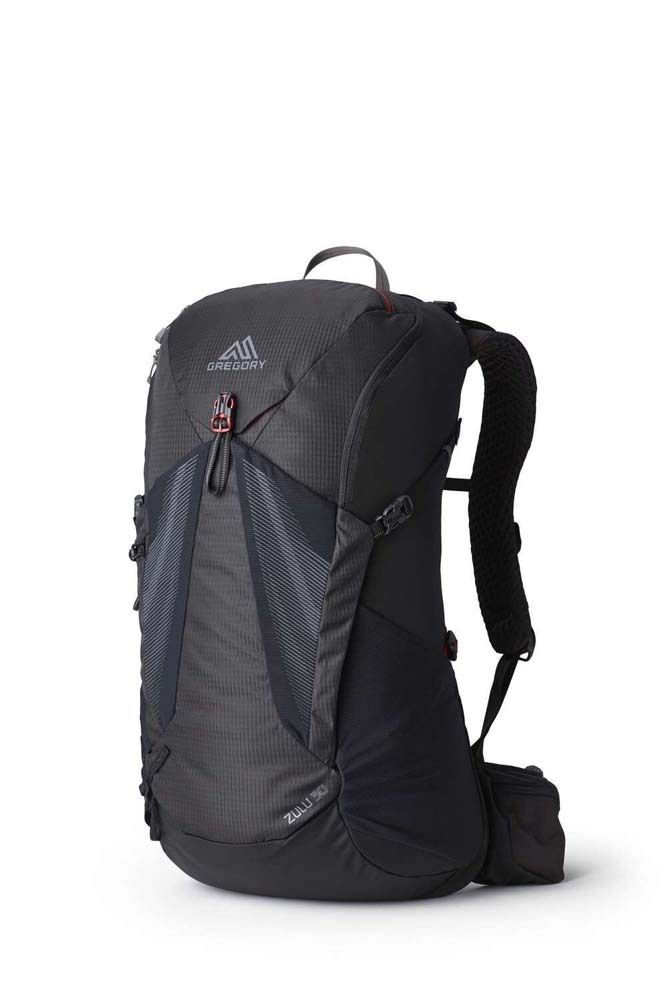
May
Breathe Easy: Gregory Zulu 30 Backpack Review – Ultimate Ventilation for Day Hikes
Introduction: The Solution to Sweaty Back Syndrome
Every hiker knows the feeling. You’re an hour into a beautiful trail, the sun is warm, and your back is soaked with sweat. The damp patch spreads across your shirt, uncomfortable and stubbornly refusing to dry. Most backpacks make this worse—flat back panels trap heat and moisture, turning your back into a swamp.
The Gregory Zulu 30 was designed to solve this problem. Gregory’s signature FreeFloat suspension system uses a tensioned mesh back panel that creates an air gap between your back and the pack. Hot air escapes. Sweat evaporates. Your back stays cooler and drier than with traditional backpacks.
But ventilation isn’t the only feature. The Zulu 30 is a fully-featured daypack designed for serious hikers who need comfort, organization, and capacity for full-day adventures. After testing the Zulu 30 on multiple day hikes in warm conditions, I’ve concluded that this is one of the best-ventilated daypacks on the market.
In this comprehensive review, we’ll explore what makes the Gregory Zulu 30 special, where it excels, and who it’s for.
Design Philosophy: Comfort Through Ventilation
The Gregory Zulu 30 follows a comfort-first design philosophy. Gregory understands that a pack can have all the features in the world, but if it’s uncomfortable, you won’t use it. The centerpiece of this philosophy is the FreeFloat suspension system—a tensioned mesh back panel that creates an air gap for ventilation.
The Zulu 30 is designed for full-day hikes and light overnight trips. At 30 liters, it’s large enough for extra layers, food, water, and gear for a long day on the trail—or for ultralight overnight backpacking.
The pack features Gregory’s signature customizable fit system. The shoulder straps and hip belt are adjustable to fit different torso lengths and body shapes—a crucial feature for comfort over many miles.
The Zulu 30 is available in multiple sizes (S/M, M/L) and includes a women’s-specific version (the Jade 28) with adjusted torso lengths and harness shapes.
Gregory backs the Zulu 30 with a lifetime warranty against defects. Their customer service has a strong reputation in the outdoor community.
The FreeFloat Suspension System: How Ventilation Works
The FreeFloat suspension system is the Zulu 30’s defining feature. Unlike traditional backpacks where the pack sits flat against your back, the FreeFloat system uses a tensioned mesh panel stretched across a lightweight frame. This creates a gap between your back and the pack, allowing air to circulate.
Here’s how it works:
- A flexible frame (fiberglass or similar material) maintains the pack’s structure
- A mesh panel is tensioned across the frame, away from the pack body
- Your back contacts only the mesh, not the pack itself
- Air flows through the gap between your back and the pack
The result is significantly better ventilation than traditional backpacks. In testing on warm day hikes (75-85°F), the Zulu 30 kept my back noticeably cooler and drier than packs with flat back panels.
The trade-off: the suspended mesh panel moves the pack’s center of gravity slightly away from your body. This can affect stability on technical terrain. However, Gregory’s design minimizes this by keeping the gap relatively narrow (about an inch) and using a flexible frame that conforms to your movement.
The FreeFloat system also includes:
- Adjustable torso length (custom fit for your height)
- Padded hip belt with integrated lumbar support
- Contoured shoulder straps with load lifters
After multiple hikes, I found the FreeFloat system to be a genuine breakthrough in daypack comfort. My back was less sweaty, and the slight stability trade-off was acceptable for the ventilation benefits.
Material Science: Trail-Ready Durability
The Gregory Zulu 30 uses materials chosen for outdoor durability and weight savings.
Key material specifications:
- Exterior: 210D nylon (main body) and 420D nylon (high-wear areas)
- Lining: 200D nylon
- Frame: Fiberglass anti-barreling frame (flexible, lightweight)
- Zippers: YKK with weather-resistant coating
- Hardware: Duraflex and custom Gregory components
The 210D nylon main body is lightweight and durable—appropriate for daypack use. The 420D nylon reinforcements on the bottom panel and wear points add durability where needed without adding significant weight.
In testing, the Zulu 30 survived multiple day hikes through brush, scrapes against rocks, and being tossed in car trunks. After several hikes, the pack shows minimal signs of wear—a few scuffs, but no tears or loose threads.
The fabric has a DWR (durable water-repellent) coating that handles light rain effectively. In testing, the pack survived 30 minutes of moderate rain with the interior staying dry. Gregory does not include a rain cover for the Zulu 30, but you can buy one separately.
The YKK zippers are weather-resistant and include large pulls that are easy to grab with gloves or cold hands.
The fiberglass frame is flexible enough to move with your body but rigid enough to maintain the air gap for ventilation.
Storage Architecture: Day Hike Optimization
The Gregory Zulu 30’s storage design is optimized for full-day hikes and light overnights. It includes thoughtful organization without being overcomplicated.
Main Compartment: Hydration and Gear Ready
The main compartment is accessible via a U-shaped zipper on the front (wide opening, not a full clamshell but adequate). Inside, you’ll find:
- Hydration reservoir sleeve (fits up to 3L)
- Internal compression straps to secure the load
- Open space for gear, layers, and food
The hydration sleeve is positioned against the back panel (for stability) and includes a hose port on the shoulder strap. In testing, a 2L reservoir was easy to fill and use without removing it from the pack.
Sample loadout for a full-day hike (8-10 hours):
- 2-3L water reservoir
- Puffy jacket or fleece
- Rain shell
- First aid kit
- Food and snacks (lunch + extra)
- Headlamp
- Map and compass
- Sunglasses, sunscreen, bug spray
- Phone, keys, wallet
- Camera (if you carry one)
The 30L capacity is generous for a daypack—plenty for long adventures or winter hikes (more layers). It’s also large enough for ultralight overnight trips if you pack minimally.
Front Pocket: Stretchy and Accessible
A large front pocket with a vertical zipper provides quick access to items you need during the hike:
- Rain shell (for quick deployment)
- Snacks
- Map
- Gloves or hat
The pocket is made of stretchy fabric, so it expands when you stuff items in but remains low-profile when empty.
Lid Pocket: Small Essentials
A small pocket on the top lid (accessible without opening the main compartment) is perfect for:
- Headlamp
- Phone (if you don’t want it in your hip belt)
- Sunscreen or bug spray
- Wallet and keys
The lid pocket includes a key clip and keeps these items separate from your main gear.
Hip Belt Pockets: Accessible While Walking
The Zulu 30 features zippered pockets on both sides of the hip belt. These pockets are:
- Large enough for a modern smartphone
- Accessible while walking (no need to stop)
- Stretchy (accommodates items of different sizes)
During testing, I used these pockets constantly—phone in one, snacks and lip balm in the other. Having snacks accessible without stopping is a major convenience.
External Attachments: Trekking Poles and More
The Zulu 30 includes external attachment points for outdoor gear:
- Trekking pole loops (on the lower front, with upper compression strap attachment)
- Ice axe loops (on the lower front)
- Side compression straps (can secure a sleeping pad or tent)
The trekking pole loops work well—you can stash your poles without removing the pack.
Comfort and Ergonomics: The Ventilation Advantage
The Gregory Zulu 30’s comfort is exceptional for day hiking, thanks to the FreeFloat suspension system.
Back Panel: Tensioned Mesh with Air Gap
The tensioned mesh back panel is the star of the show. Key benefits:
- Ventilation: Air circulates between your back and the pack
- Moisture management: Sweat evaporates rather than pooling
- Comfort: The mesh conforms to your back without pressure points
In testing on warm day hikes, the Zulu 30 kept my back significantly cooler and drier than traditional backpacks. This alone justifies the price for hikers in warm climates.
The mesh is also breathable and quick-drying—if it gets wet from rain or sweat, it dries faster than padded foam.
