Post
Scandinavian Icon: Fjällräven Kånken – The Durable, Ergonomic Backpack for Every Generation Best 2026
May
Scandinavian Icon: Fjällräven Kånken – The Durable, Ergonomic Backpack for Every Generation
Introduction: The Little Square Backpack That Conquered the World
It’s impossible to walk through any city, college campus, or airport without seeing them—those little square backpacks with the distinctive fox logo. The Fjällräven Kånken has become a global phenomenon, transcending its humble origins as a Swedish school bag to become a bona fide fashion icon.
But unlike many fashion-driven backpacks, the Kånken has serious functional credentials. It was designed in 1978 to address a specific problem: Swedish schoolchildren were developing back problems from poorly designed bags. Fjällräven’s solution was a lightweight, ergonomic backpack that distributed weight evenly and stood upright on its own—features that remain relevant nearly 50 years later.
After using the Kånken for a month in various scenarios—from daily commuting to travel to light hiking—I’ve developed a nuanced appreciation for this Swedish icon. It’s not perfect, but its strengths are undeniable and unique in the backpack market.
In this comprehensive review, we’ll explore what makes the Fjällräven Kånken so special, where it excels, and who it’s actually for.
First Impressions: Deceptively Simple
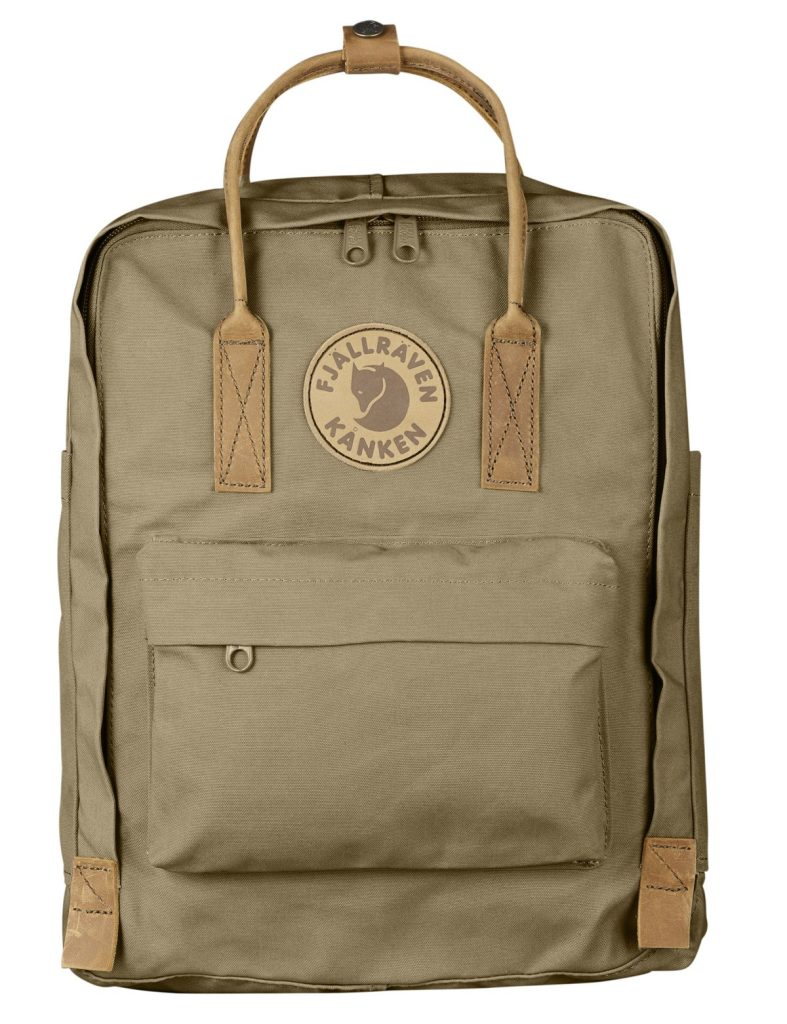
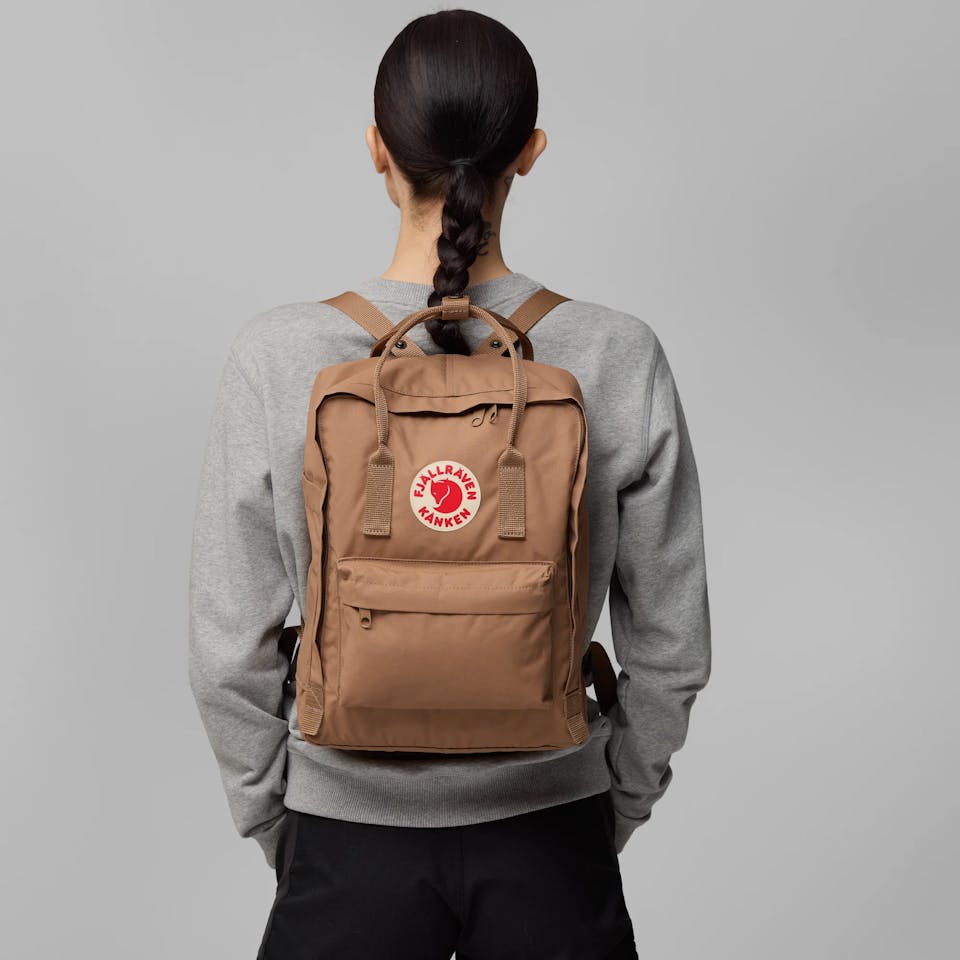
The Fjällräven Kånken’s design is instantly recognizable: a rectangular box shape with top handles, thin shoulder straps, and a front zippered pocket. The vinyl F (Vinylon F) fabric has a distinctive matte finish and slightly stiff feel that softens with use.
Available in dozens of colors—from classic navy and oxblood to limited-edition pastels and brights—the Kånken allows for personal expression while maintaining its iconic silhouette. The classic models feature the Swedish flag on the front and the fox logo on a leather patch.
The first thing you’ll notice is how lightweight the Kånken is. The classic model weighs just 10 ounces (300 grams) empty. This is remarkably light—most commuter backpacks weigh 2-3 pounds empty. That saved weight translates directly to carrying comfort over long days.
The second thing you’ll notice is how the bag holds its shape even when empty. The Vinylon F fabric has enough structure to stand upright on its own, making packing and unpacking easier than floppy fabric bags.
The handles on top are a thoughtful detail—you can carry the Kånken like a briefcase or tote when you don’t want it on your back. This versatility is part of the Kånken’s charm.

The Vinylon F Fabric: Secret Weapon
The Fjällräven Kånken’s signature material is Vinylon F—a unique synthetic fiber developed in Japan. Unlike standard polyester or nylon, Vinylon F has a remarkable property: it becomes more water-resistant when wet.
Here’s how it works: The fibers expand when they absorb moisture, tightening the weave and preventing further water penetration. In practice, this means the Kånken handles rain better than you’d expect from a bag without a DWR coating or rain cover.
During testing, the Kånken survived 30 minutes of moderate rain with minimal interior moisture. The exterior felt damp, but my gear stayed dry. For heavier downpours, the lack of a rain cover becomes problematic, but for urban commuting, the Vinylon F performs admirably.
The fabric also resists dirt and stains. Spills and mud wipe off easily with a damp cloth. After a month of daily use, the Kånken still looks nearly new.
One downside: Vinylon F is not breathable. When the bag is pressed against your back, it can get sweaty. This is a common complaint, especially in warm weather or during active use.
Vinylon F is also incredibly durable. Fjällräven claims the fabric is resistant to abrasion, tearing, and UV damage. Vintage Kånkens from the 1980s are still in use today—testament to the material’s longevity. This durability makes the Kånken an heirloom-quality item that can be passed down through generations.
Storage Architecture: Simple but Strategic
The Fjällräven Kånken takes minimalism seriously—there are no extraneous pockets or compartments. But what’s there is thoughtfully designed.
Main Compartment: The Square Box
The main compartment is a single rectangular space with a zippered opening that runs across the top and partially down the sides. This wide opening makes packing and unpacking surprisingly easy for a bag of this size.
Inside, you’ll find a removable seat pad—a signature Kånken feature. The thin foam pad sits in a dedicated sleeve at the back of the main compartment. Originally designed so Swedish schoolchildren wouldn’t have to sit on cold, wet ground during recess, the seat pad is actually useful for picnics, sporting events, or any situation where you need a clean, dry place to sit.
Beyond the seat pad sleeve, the main compartment is completely open. This flexibility is both strength and weakness. You can pack odd-shaped items, but small items will get lost. Most Kånken users adopt pouches or organizers for cables, chargers, and accessories.
Sample loadout from testing:
- 13-inch laptop (fits, but more on this later)
- Notebook and folder
- Water bottle (fits inside main compartment)
- Light jacket or sweater
- Snacks and a book
- Tech pouch with charger and cables
The main compartment holds more than its boxy appearance suggests. The classic 16L Kånken can accommodate a surprising amount—enough for a day at work or a weekend trip if you pack minimally.
Front Pocket: Surprisingly Spacious
The front zippered pocket is larger than it looks. It runs the full height of the bag and includes:
- A small zippered pocket inside (perfect for keys or earbuds)
- An open sleeve (fits a phone or small notebook)
- Otherwise open space
During testing, the front pocket comfortably held a wallet, phone, keys, AirPods, sunglasses, and a small power bank. This pocket is your quick-access zone—everything you need without opening the main compartment.
Side Pockets: The Kånken’s Weakness
The classic Kånken has two open side pockets—one on each side. They’re designed to hold water bottles or small umbrellas, but they’re shallow and unsecured. In testing, water bottles frequently fell out when the bag was tipped or jostled.
This is a common complaint among Kånken users. The side pockets are useful for items you don’t mind dropping (a pack of tissues, a snack bar) but unreliable for anything valuable or spillable.
Fjällräven has addressed this in newer models (the Kånken Laptop and Kånken 2) with deeper, more secure side pockets. If water bottle carry is essential to you, consider those versions.
The Laptop Question: Does the Kånken Fit Your Computer?
The classic Fjällräven Kånken (16L) is not designed for laptops. The main compartment has no padded sleeve, and the dimensions (14.6″ x 10.6″ x 5.1″) barely fit a 13-inch laptop loose.
If you need laptop carry, Fjällräven offers dedicated Kånken Laptop models in various sizes:
- Kånken Laptop 13″ Fits 13-inch laptops with padded sleeve
- Kånken Laptop 15″ Fits 15-inch laptops with padded sleeve
- Kånken Laptop 17″ Fits 17-inch laptops with padded sleeve
For this review, I tested both the classic Kånken (no laptop) and the Kånken Laptop 15″. The Laptop version adds a dedicated padded compartment at the back, transforming the Kånken from a school bag to a viable work backpack.
The Laptop version sacrifices some of the classic Kånken’s minimalist charm but gains significant functionality. The padded sleeve is well-cushioned and includes a false bottom for drop protection. For students and professionals who need to carry a computer, the Laptop version is the better choice.
