Post
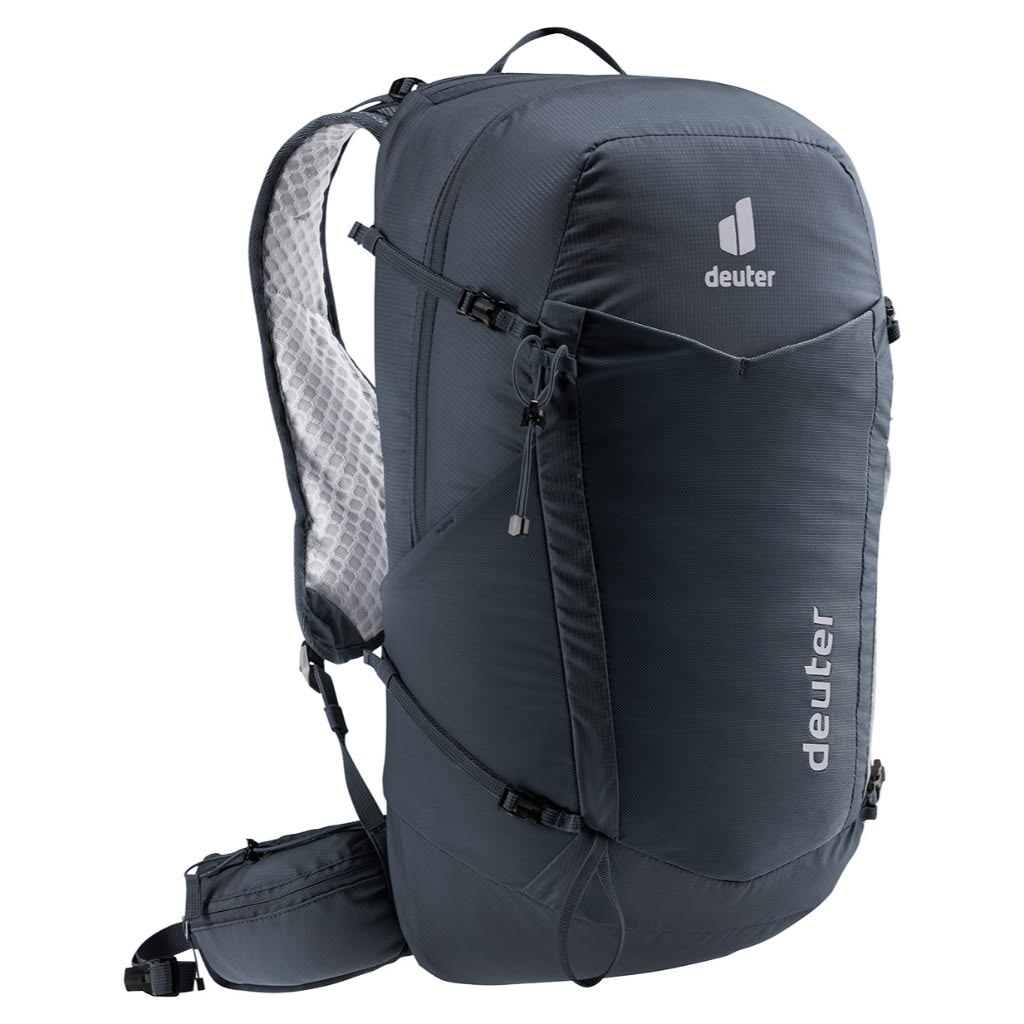
Feather-Light Speed: Deuter Speed Lite 20 – High-Performance Pack for Fast-Paced Sports Best
May
Feather-Light Speed: Deuter Speed Lite 20 – High-Performance Pack for Fast-Paced Sports
Introduction: Speed Meets Comfort
In the world of outdoor gear, there’s a constant tension: add features and you add weight; shed weight and you shed comfort. The Deuter Speed Lite 20 is a rare product that successfully balances both sides of this equation. It’s light enough for trail running and fastpacking, but comfortable enough for all-day hikes.
Deuter is a German brand with over 120 years of backpack-making experience. They’re known for comfortable suspension systems, thoughtful designs, and excellent value. The Speed Lite series is their answer to the growing “fast and light” movement—athletes who want to move quickly through the mountains without being weighed down by their pack.
After testing the Speed Lite 20 on trail runs, day hikes, and fastpacking trips, I’ve concluded that this is one of the best ultralight daypacks available at its price point.
In this comprehensive review, we’ll explore what makes the Deuter Speed Lite 20 special, where it excels, and who it’s for.
Design Philosophy: Fast and Light, But Comfortable
The Deuter Speed Lite 20 follows a “fast and light, but not uncomfortable” design philosophy. Unlike some ultralight packs that sacrifice all padding and structure to save grams, the Speed Lite 20 retains enough comfort features for full-day wear.
The pack is designed for:
- Trail running: Stable fit, hydration-ready, lightweight
- Fastpacking: Overnight trips at moving quickly
- Day hiking: All-day comfort without excess weight
- Bike commuting and mountain biking: Stable, durable, hydration-ready
The design philosophy prioritizes:
- Low weight: The Speed Lite 20 weighs just 1.3 lbs (590 grams)
- Stability: The pack stays put during dynamic movement
- Breathability: Deuter’s AirMesh back panel for ventilation
- Simplicity: Essential features only, no unnecessary extras
The Speed Lite 20 is available in multiple sizes (S/M and M/L) to fit different torso lengths—unusual for an ultralight pack and a sign of Deuter’s commitment to comfort.
The pack features Deuter’s AirMesh back panel—a lightweight, ventilated design that balances breathability and structure.
Deuter backs the Speed Lite 20 with a limited lifetime warranty against defects. Their reputation for quality is excellent.
Material Science: Lightweight but Durable
The Deuter Speed Lite 20 uses lightweight materials chosen for their strength-to-weight ratio.
Key material specifications:
- Exterior: 100D x 210D nylon Shadowbox (high-tenacity)
- High-wear areas: 210D nylon (bottom panel)
- Lining: 200D nylon
- Zippers: YKK with weather-resistant coating
- Hardware: Duraflex and custom Deuter components
The 100D x 210D nylon Shadowbox is a lightweight, high-tenacity fabric that balances durability and weight. It’s not as heavy-duty as 500D CORDURA, but it’s significantly lighter—appropriate for a pack designed for speed.
In testing, the Speed Lite 20 survived multiple trail runs and day hikes with minimal signs of wear. The fabric shows scuffs but no tears or abrasion damage. The 210D nylon bottom panel provides reinforcement where the pack contacts the ground.
The fabric has a DWR (durable water-repellent) coating that handles light rain effectively. In testing, the pack survived 20 minutes of moderate rain with the interior staying damp-free. For heavy downpours, Deuter does not include a rain cover (to save weight), but you can buy one separately.
The YKK zippers are lightweight but durable, with small pulls (to save weight) that are still usable with gloves (just barely).
The overall construction is excellent—Deuter’s German engineering reputation is evident. Stitching is precise, seams are reinforced, and the pack feels well-made despite its low weight.
The AirMesh Suspension System: Breathable and Stable
The Deuter Speed Lite 20 features the AirMesh back panel—a lightweight, ventilated design that balances breathability and structure.
Back Panel: Mesh with Minimal Padding
The back panel features AirMesh fabric stretched over a foam frame. The mesh is breathable (air can circulate), and the minimal foam provides just enough padding to prevent items from poking through.
The back panel is contoured slightly to follow your spine’s natural curve. There are subtle airflow channels, but the primary ventilation comes from the mesh fabric itself.
In testing, the AirMesh back panel was significantly more breathable than padded foam designs. On trail runs and warm day hikes, my back stayed cooler and drier than with traditional packs.
The trade-off: minimal padding means items inside can be felt against your back if you pack poorly (sharp corners, hard water bottles). Pack strategically—soft items against your back, hard items away from your back.
Shoulder Straps: Padded and Ergonomic
The shoulder straps are padded with lightweight foam and covered in AirMesh fabric. They’re contoured to follow your shoulders’ natural curve and designed to stay in place during dynamic movement.
The straps lack load lifters—the small straps at the top for weight distribution. On a pack this light (under 15 lbs typical load), load lifters aren’t essential.
A sternum strap is included and adjustable. The sternum strap has an elastic section that allows natural chest expansion while breathing—a thoughtful detail for runners.
The shoulder straps are removable? No, they’re fixed.
Hip Belt: Minimal Webbing
The Speed Lite 20 includes a minimal webbing hip belt (thin strap, no padding). This is not a load-bearing hip belt; it’s designed to:
- Stabilize the pack during running and dynamic movement
- Provide attachment points for small accessories (if you add pockets)
- Keep the pack from bouncing
The hip belt is removable—you can take it off if you don’t need it. I removed it for trail running (didn’t need the stabilization) and kept it for day hiking (helped keep the pack from shifting).
The belt lacks pockets—a notable omission for a pack at this price point. Deuter sells accessory hip belt pockets separately, but they’re not included.
Load Testing: Light Loads Only
I tested the Speed Lite 20 with varying loads over multiple activities:
- Trail running (5-7 lbs): Exceptionally comfortable. The pack didn’t bounce, the shoulder straps didn’t chafe, and the breathable back panel kept me from overheating.
- Day hiking (8-10 lbs): Very comfortable for 4-6 hour hikes. The minimal padding was noticeable but not uncomfortable.
- Heavier loads (12-14 lbs): Acceptable for shorter hikes (2-3 hours). For longer days, you’ll wish for more padding and a real hip belt.
The Speed Lite 20 is designed for light to moderate loads (under 12 lbs). For heavier loads, consider the larger Speed Lite 25 or a different pack.
Storage Architecture: Fast and Light Organization
The Deuter Speed Lite 20’s storage design is simple and lightweight—essential features only.
Main Compartment: Hydration-Ready
The main compartment is accessible via a U-shaped zipper (not a full clamshell, but a wide opening). Inside, you’ll find:
- Hydration reservoir sleeve (fits up to 3L, with hose port on the shoulder strap)
- Open space for gear, layers, food
No internal pockets (except the hydration sleeve). No dividers. No key clip. This minimalist approach keeps the weight low and the design simple.
Sample loadout for a trail run or fast day hike:
- 1-2L water (reservoir or bottles)
- Light jacket or wind shell
- Snacks (energy bars, gels, trail mix)
- First aid kit (small, in a pouch)
- Headlamp
- Phone and keys
- Map (if needed)
The 20L capacity is perfect for half-day to full-day adventures. For overnight fastpacking, you’ll need to pack very minimally (sleeping bag, bivy, stove—20L is tight but possible).
Front Pocket: Stretchy and Accessible
A large front pocket with a vertical zipper provides quick access to items you need during the activity:
- Snacks
- Headlamp
- Map
- Gloves or hat
The pocket is made of stretchy fabric, so it expands when you stuff items in but remains low-profile when empty.
Side Pockets: Stretchy Mesh
The Speed Lite 20 features two side pockets made of stretchy mesh. These pockets are designed for:
- Water bottles (fits bottles up to 1L)
- Energy gels or snacks
- Small items you need quickly
In testing, the side pockets held 1L water bottles securely during running and hiking. The stretchy mesh is durable (no tears after multiple uses).
The side pockets are not zippered, so items could potentially fall out if the pack is upside down. For running, this isn’t an issue.
Shoulder Strap Pocket: Phone Accessibility
The Speed Lite 20 includes a small pocket on the right shoulder strap, designed for:
- Phone (fits most smartphones, including larger models)
- Energy gels
- Small snacks
This pocket is a standout feature. During trail runs, I could access my phone for directions or photos without stopping or removing the pack.
The pocket is zippered (secure) and lined with soft fabric (protects phone screen).
External Attachments: Trekking Poles and Ice Axes
The Speed Lite 20 includes minimal external attachments:
- Trekking pole loops (on the lower front)
- Ice axe loops (on the lower front, same as trekking pole loops)
- Side compression straps (can secure additional gear)
The trekking pole loops work well—you can stash poles without removing the pack. The compression straps can secure a jacket or sleeping pad.
